
 CONVERSATIONS & OBSERVATORIES
Dialogues, practice and comparative research
.
A collaborative research space in which conversations with practitioners and thematic observatories challenge, extend, and reshape the core questions developed in the Journal.
Two editorial format
CONVERSATIONS
Experiences, methods and professional genealogies.
In-depth dialogues with professionals, curators, researchers and practiotioners on their trajectories, choices nd visions.
OBSERVATORIES
Shared questions, multiple positions, comparative findings.
Comparative research formats that gather diverse voices around a shared question to generate insights and transferable learning.
Conversations
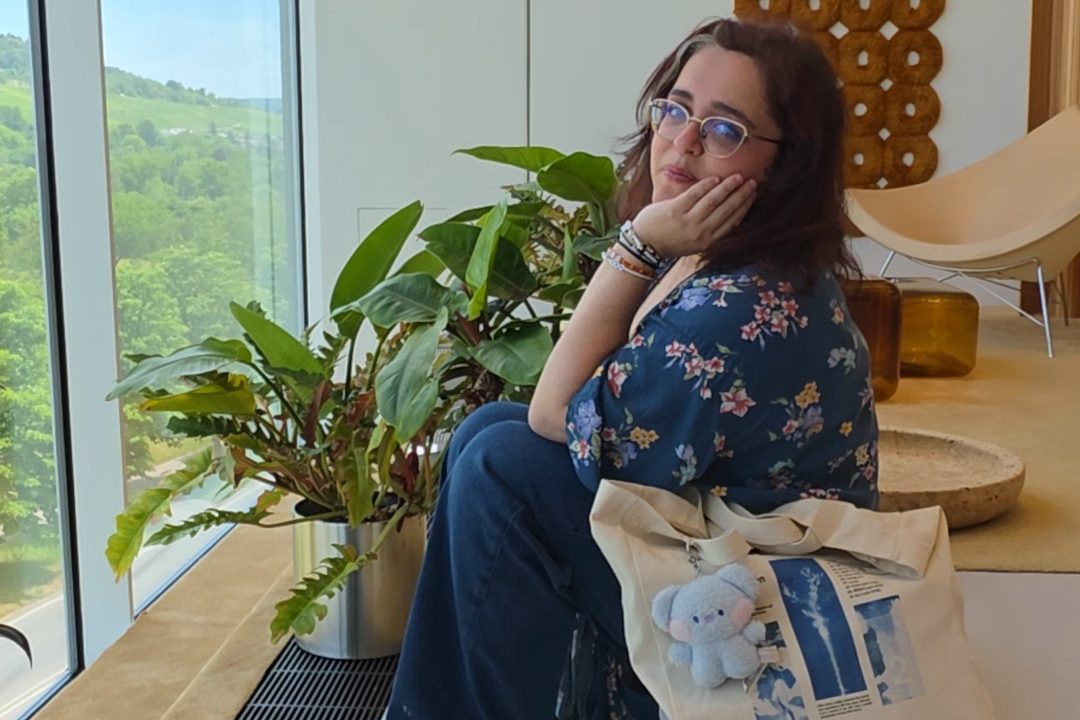
FROM ATTENTION TO CULTURAL CAPABILITY
RM, Arts.withnamjoon and the New Forms of Cultural Mediation
A Dialogue on Attention, Trust, Works, Publics, and Institutional Responsibility
Written interview by Federica Leone with Claudia Leone – Museologist, Cultural Mediator, Audience Engagement Specialist, and Cultural Communicator — Creator & Content Lead of the @arts.withnamjoon editorial project
Trust can open a doorway to art. But when does attention turn into genuine knowledge, and when is it reduced to simple visibility? Reflecting on RM and the @arts.withnamjoon project, Claudia Leone examines how audiences are formed and considers the responsibilities of museums, mediators, and platforms. The process is not automatic: context, method, and the capacity to foster independent critical thinking are what transform attention into cultural capability.
Observatories
The Observatories explore how territorial transformation is articulated, negotiated, and enacted through spatial design, energy transitions, and cultural practices. They analyze who defines the goals, how costs and benefits are allocated, and where real agency gives way to mere rhetoric.
The overarching research question is:
“How can situated interventions in space, energy, and culture strengthen a territory’s capacity to transform without reproducing dependencies, inequalities, and exclusions?”
The hypothesis:
“Durable territorial transformations depend not only on the scale or performance of interventions, but on their ability to act simultaneously upon the spatial, infrastructural, social, and cultural relations that organize a territory.”
La domanda e l’ipotesi generali si diramano, poi, in tre filoni di ricerca paralleli e si articolano in questo spazio in tre Osservatori, che indagano lo stesso processo di trasformazione da prospettive specialistiche, attraverso domande specifiche e un quadro di ricerca condiviso. Questi sono:

Territory
Question: “Who holds the power to define what constitutes a territorial transformation, and who bears its costs?”

Arts and Culture
Question: “How far can museums, curatorship, and artistic practices go in transforming the social and territorial conditions of a place, and where does this ambition turn into rhetoric?”

Energy & Systems
Question: “Is the energy transition transforming territories, or is it reproducing existing inequalities through new technologies?”
How each observatories works
01
GUIDING QUESTION
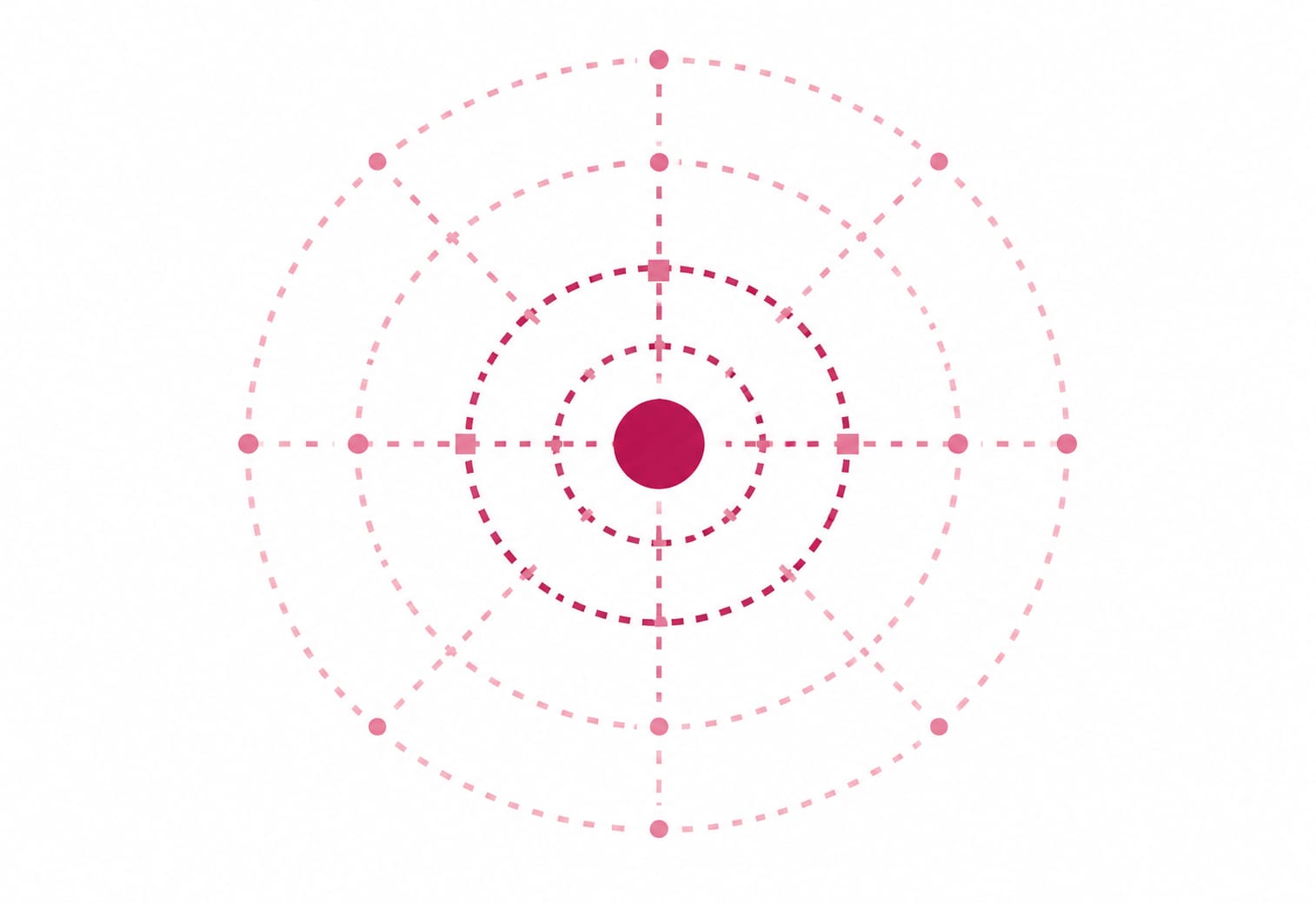
Definition of a shared question with open perspective
02
METHODS
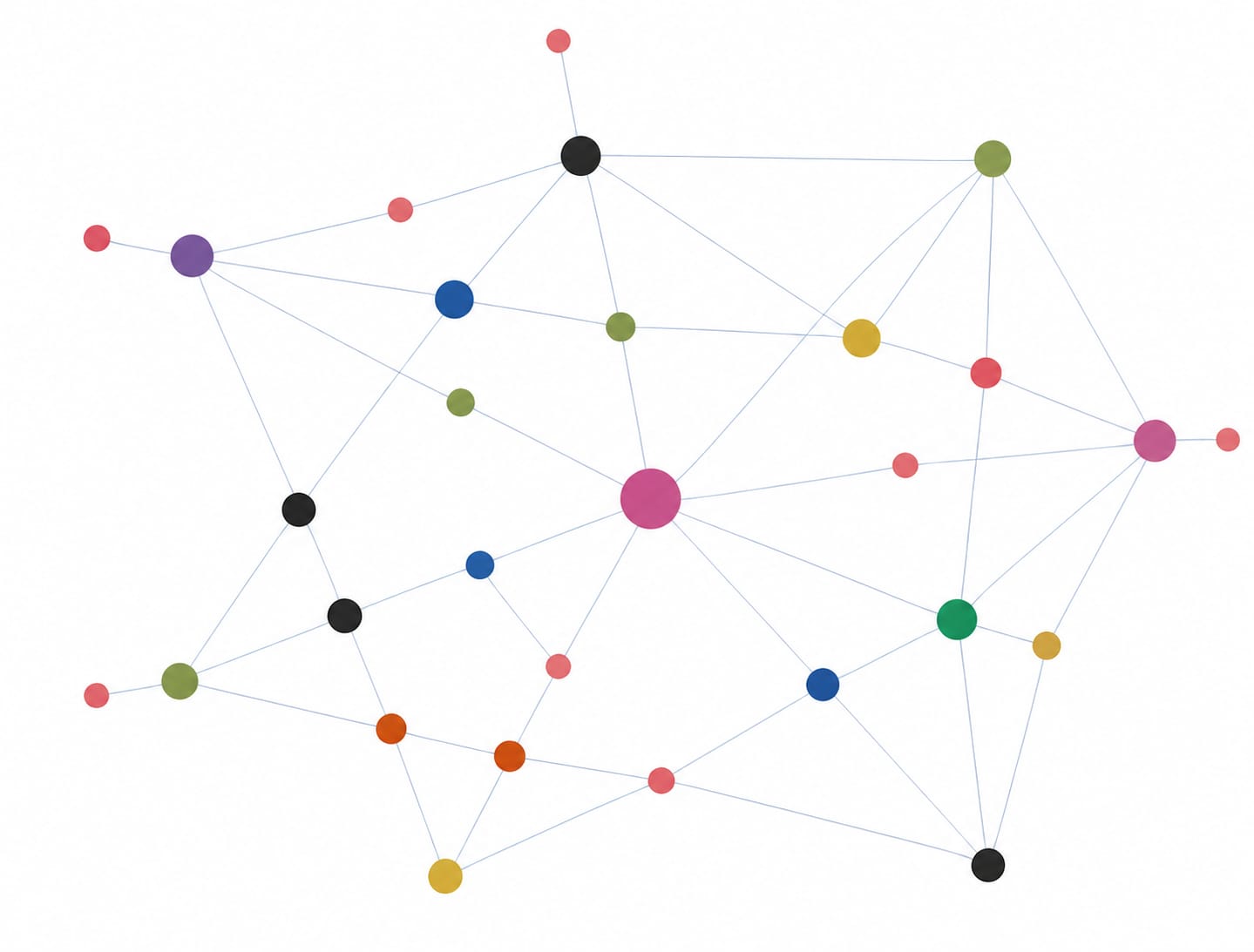
Design the method and select participants.
03
INDIVIDUAL CONTRIBUTIONS
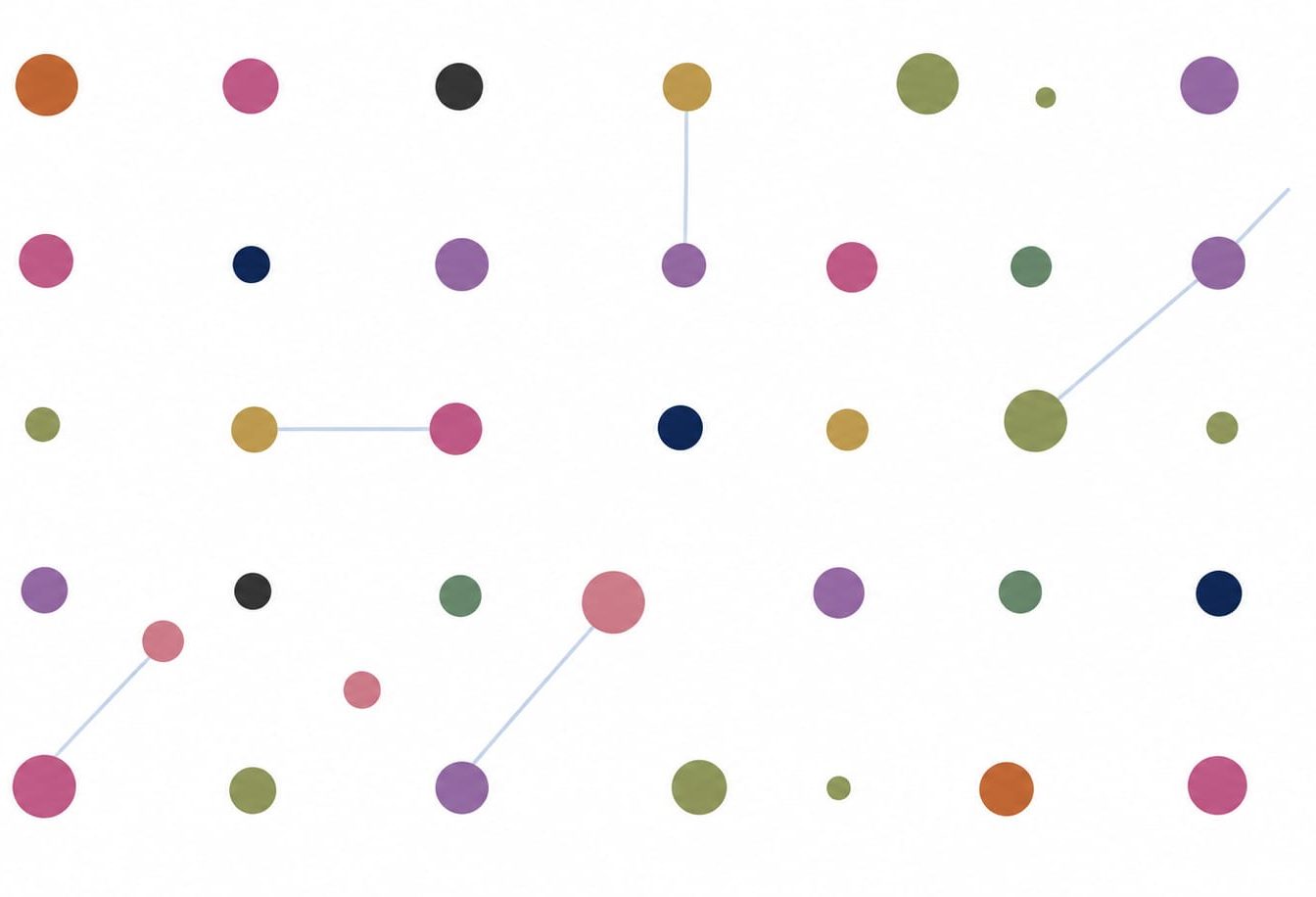
Contributors share experiences, data and perspectives.
04
COMPARATIVE SYNTHESIS
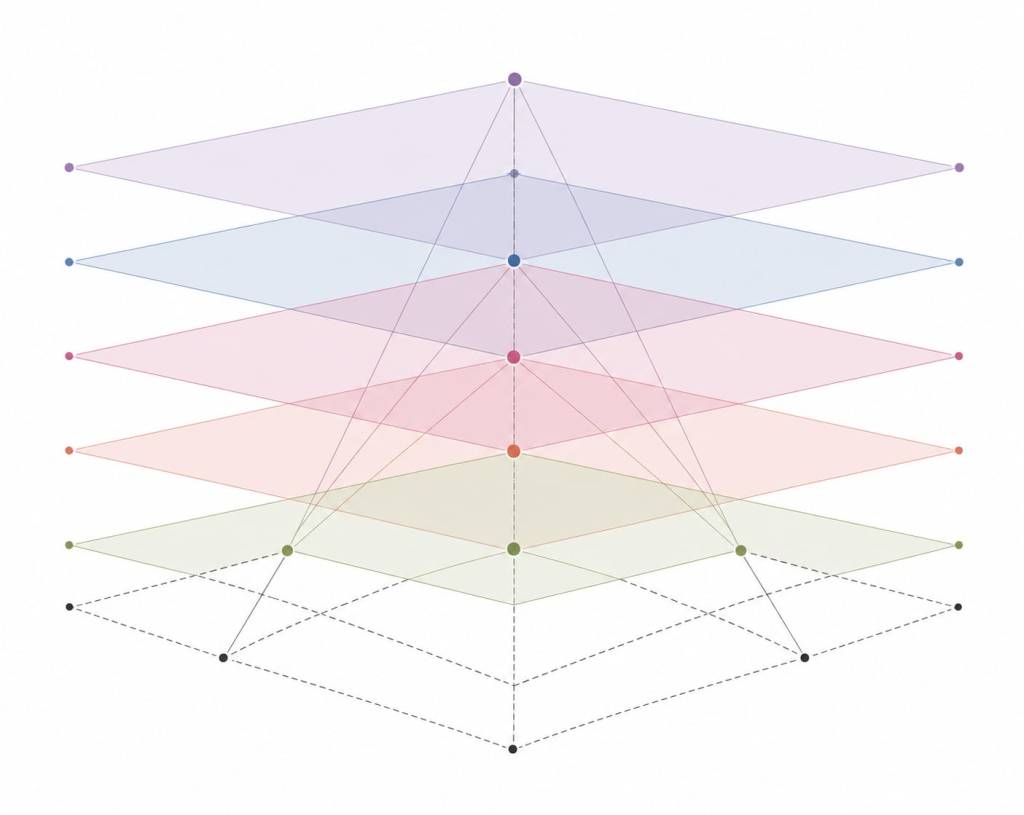
Comparison, map patterns and generate insights.
05
TRANSFERABLE OUTPUT
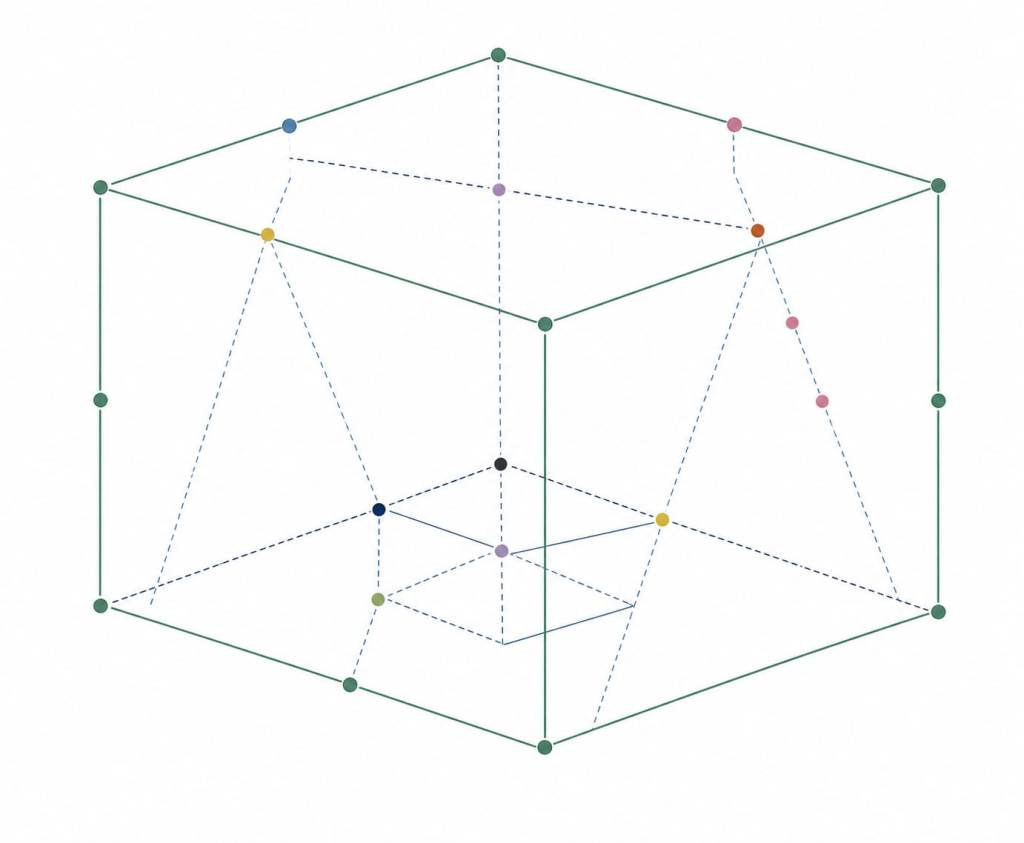
Production of tools, maps and formats for action and policy.
 Journal
Connected Dossier
TERRITORY
CURATING & ARTISTIC PRACTICES
ENERGY & SYSTEMS
TRANSDISCIPLINARY SYNTHESES
 Stay updated in new writings,
